
Dental Checkups: How Often Should You Visit a Dentist?
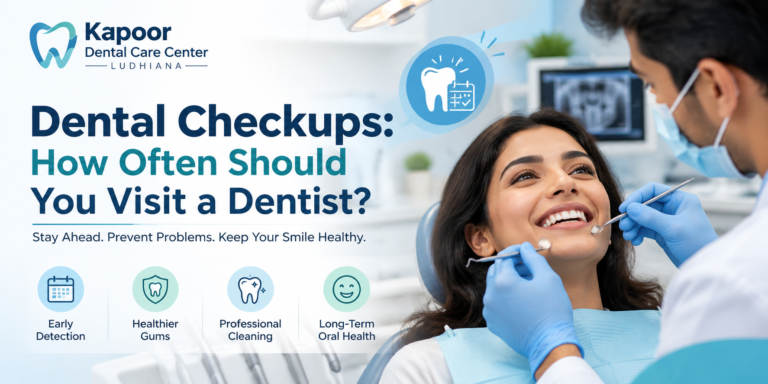
Many people visit a dentist only when they experience tooth pain, bleeding gums, or another noticeable dental problem. However, waiting until something hurts is not always the best approach to maintaining healthy teeth and gums.
Regular dental checkups help identify potential problems early, provide an opportunity to review your oral hygiene routine, and support better long-term oral health. Some dental issues, such as early tooth decay and gum disease, may develop without causing obvious symptoms.
But how often should you actually visit a dentist? Is a checkup every six months necessary for everyone, or does the recommended frequency depend on your dental health?
The answer is that your ideal dental checkup schedule depends on your individual oral health, risk factors, and dental history. Many people benefit from checkups every six months, while others may need more frequent visits.
In this guide, we will explain how often you should schedule dental checkups, what happens during an appointment, why regular examinations matter, and when you should visit a dentist between routine appointments.
If you are looking for a dental clinic in Ludhiana, you can also explore the services available at Kapoor Dental Care Center.
How Often Should You Visit a Dentist?
For many people, visiting a dentist every six months is a practical starting point. However, there is no single schedule that is appropriate for every patient.
Your dentist may recommend more frequent appointments if you have gum disease, a history of frequent cavities, certain medical conditions, or other factors that increase your risk of oral health problems.
On the other hand, people with consistently good oral health and a low risk of dental disease may be advised to attend at different intervals, depending on their dentist’s assessment and local clinical guidance.
Here is a general overview of how dental visit frequency may vary.
Patient group | General recommendation |
Adults with good oral health | Often every 6–12 months, depending on individual assessment |
People with frequent cavities | May need more frequent checkups |
Patients with gum disease | May require regular periodontal maintenance |
Children | Begin dental visits early and follow an age-appropriate schedule |
People with braces or orthodontic appliances | Follow the orthodontist’s review schedule and recommended dental checkups |
Older adults | Frequency depends on gum health, dry mouth, existing dental work, and other risk factors |
These intervals are general examples, not a substitute for a personalised recommendation. Your dentist can help determine the most appropriate schedule for you.
Why Are Regular Dental Checkups Important?
A dental checkup is about more than checking whether your teeth look clean. It allows a dentist to assess your teeth, gums, and other oral tissues and identify concerns that may not yet be causing discomfort.
Here are some important benefits of regular dental visits.
1. Early Detection of Tooth Decay
Tooth decay can begin as a small area of damage and progress over time. In its early stages, it may not cause pain or sensitivity.
During a dental examination, your dentist checks for signs of decay and determines whether any additional investigation or treatment is necessary.
Depending on the findings, treatment may involve preventive care, fluoride recommendations, a filling, or another procedure.
Detecting a problem early may help prevent more extensive damage and reduce the likelihood of needing complex treatment later.
2. Prevention and Management of Gum Disease
Gum disease can develop when plaque accumulates around the teeth and gumline. Early gum inflammation may cause redness, swelling, or bleeding during brushing.
If the condition progresses, it can damage the tissues and bone supporting the teeth.
Regular dental examinations help identify signs of gum disease and assess whether professional cleaning or more specialised periodontal treatment is needed.
If your gums bleed frequently, do not assume that this is normal. Arrange an examination even if you do not have tooth pain.
3. Professional Teeth Cleaning
Brushing twice daily and cleaning between your teeth help remove plaque. However, plaque that remains on the teeth can harden into tartar, which cannot be removed effectively with an ordinary toothbrush.
Professional dental cleaning helps remove these deposits from areas that are difficult to clean at home.
The need for professional cleaning depends on the amount of plaque and tartar, your gum health, and your individual risk factors.
If you are searching for dental care in Ludhiana, you can explore Kapoor Dental Care Center’s website and enquire about its available dental services.
4. Monitoring Existing Dental Work
Fillings, crowns, bridges, dentures, and dental implants may require monitoring over time.
A dentist can assess whether existing restorations remain in good condition, check for signs of wear or damage, and look for problems around the surrounding teeth and gums.
For example, a damaged filling may allow bacteria to enter the affected area, while poorly fitting dentures may cause irritation.
Routine examinations help identify concerns and determine whether repairs, adjustments, or other care are necessary.
5. Improving Your Oral Hygiene Routine
Even people who brush regularly may miss certain areas or use a technique that does not clean effectively.
During a checkup, your dentist can provide practical advice on brushing, flossing, interdental brushes, fluoride toothpaste, and other preventive measures.
You can also ask questions about tooth sensitivity, bad breath, gum bleeding, or other concerns.
This guidance helps you build a routine that suits your individual needs instead of relying on general advice alone.
How Often Should Children Visit a Dentist?
Children need regular dental care because their teeth and oral health change as they grow.
A child’s first dental visit should generally take place when the first tooth appears and no later than the first birthday. Early appointments help parents understand how to care for developing teeth and reduce the risk of early childhood cavities.
After the first visit, the dentist can recommend a checkup schedule based on the child’s dental development and risk of tooth decay.
Children may need more frequent visits if they have a history of cavities, enamel defects, orthodontic concerns, or difficulty maintaining oral hygiene.
Parents can support their child’s oral health by encouraging these habits:
- Brush twice daily with age-appropriate amounts of fluoride toothpaste.
- Supervise brushing until the child can clean their teeth effectively.
- Limit frequent sugary snacks and drinks.
- Encourage water as the main drink between meals.
- Arrange dental appointments as recommended.
- Seek advice if a child experiences tooth pain or sensitivity.
Regular dental visits can also help children become more comfortable with dental care and develop healthy habits that continue into adulthood.
How Often Should Adults Visit a Dentist?
For adults, the recommended frequency depends on their current oral health and dental history.
Someone who has healthy gums, few fillings, and a low risk of tooth decay may not need the same appointment schedule as someone who frequently develops cavities or has a history of periodontal disease.
Certain lifestyle habits and medical factors can also influence oral health.
For example, tobacco use increases the risk of gum disease and oral cancer. Dry mouth, which can be associated with certain medications or medical conditions, may increase the risk of tooth decay.
Adults should discuss their individual risk factors with their dentist and follow a schedule that reflects their needs.
Even if your teeth feel completely fine, regular examinations may help identify problems before symptoms develop.
How Often Should Older Adults Visit a Dentist?
Older adults may face specific oral health challenges, including gum recession, dry mouth, tooth wear, root decay, and difficulties cleaning around dental restorations.
Some people may also have dentures, bridges, or implants that need regular assessment.
The appropriate checkup frequency depends on the person’s oral health, ability to maintain daily hygiene, medical history, and existing dental work.
If you or an older family member experiences persistent mouth dryness, sore gums, difficulty chewing, loose teeth, or denture discomfort, discuss these concerns with a dentist.
Age alone does not determine how often someone should visit. The aim is to provide care that matches the individual’s needs and helps maintain comfort, function, and oral health.
What Happens During a Routine Dental Checkup?
If you have not visited a dentist for some time, you may wonder what happens during a routine appointment.
Although the exact process varies, a typical checkup may include the following steps.
1. Reviewing Your Dental and Medical History
The dentist may ask about your symptoms, previous dental treatments, medications, and relevant medical conditions.
This information can help identify risk factors and guide the examination.
2. Examining Your Teeth
Your dentist checks your teeth for signs of decay, cracks, worn surfaces, damaged fillings, and other concerns.
They may also assess your bite and examine existing restorations.
3. Checking Your Gums
The dentist examines your gums for inflammation, bleeding, recession, and other signs of periodontal problems.
Additional measurements may be recommended if gum disease is suspected.
4. Assessing Other Oral Tissues
Depending on the appointment, your dentist may examine your tongue, cheeks, and other tissues inside your mouth for unusual changes or abnormalities.
Mention any persistent sores, lumps, or patches you have noticed.
5. Dental X-Rays When Needed
X-rays can help identify certain problems that are not visible during a clinical examination, including some forms of decay between teeth or changes around tooth roots.
They are not necessarily required at every appointment. Your dentist should recommend imaging based on your symptoms, dental history, risk factors, and existing records.
6. Professional Cleaning and Personalised Advice
If needed, professional cleaning may be performed to remove plaque and tartar.
Your dentist or dental hygienist may also explain how to improve your home care routine and recommend any further treatment.
Signs You Should Visit a Dentist Before Your Next Checkup
Routine appointments are important, but you should not wait for your next scheduled visit if you develop new symptoms.
Arrange a dental assessment if you notice:
- Persistent toothache or pain while chewing.
- Sensitivity to hot or cold that keeps returning.
- Bleeding, swollen, or tender gums.
- Persistent bad breath despite good oral hygiene.
- A broken tooth or damaged filling.
- A loose adult tooth.
- A sore or ulcer in the mouth that does not heal within about two weeks.
- A lump, unusual patch, or persistent change inside the mouth.
These symptoms can have different causes, so an examination is necessary to determine the appropriate treatment.
Severe tooth pain, pus, facial swelling, or fever associated with dental symptoms warrants urgent professional assessment. Difficulty breathing or swallowing, especially with facial or neck swelling, requires emergency medical attention.
Can Regular Dental Checkups Save Money?
Regular checkups may help identify dental problems while they are still relatively small.
For example, early tooth decay may be manageable with preventive measures or a straightforward restoration, depending on the stage of the lesion. More advanced decay may require more extensive treatment.
Similarly, identifying gum inflammation early can help prevent progression to more serious periodontal disease.
However, routine checkups cannot guarantee that every problem will be prevented, and professional cleaning is not a replacement for daily oral hygiene.
The practical benefit is that regular monitoring allows you and your dentist to identify concerns, discuss treatment options, and plan care before some conditions become more complicated.
How Can You Maintain Healthy Teeth Between Dental Visits?
Your daily habits play a major role in maintaining oral health between checkups.
Follow these simple practices:
Brush twice a day. Use fluoride toothpaste and a soft-bristled toothbrush. Brush gently for approximately two minutes each time.
Clean between your teeth daily. Use dental floss or interdental brushes to remove plaque from areas your toothbrush may not reach.
Limit frequent sugar consumption. Repeated exposure to sugary foods and drinks increases the risk of tooth decay.
Drink enough water. Staying hydrated supports normal saliva production and helps manage dry mouth associated with dehydration.
Avoid tobacco. Tobacco use increases the risk of gum disease, oral cancer, and other health problems.
Protect your teeth during sports. Use an appropriate mouthguard for activities that involve a risk of dental injury.
Pay attention to changes. Do not ignore persistent pain, bleeding gums, swelling, or unusual changes in the mouth.
These habits, combined with a suitable dental checkup schedule, can help support healthier teeth and gums.
Why Choose Kapoor Dental Care Center in Ludhiana?
Finding a dental clinic that suits your family’s needs can make it easier to maintain regular oral health appointments.
Kapoor Dental Care Center is a dental clinic in Ludhiana. If you are looking for information about dental care options, you can visit the clinic’s official website and enquire about its available services.
When selecting a clinic, consider the dental services offered, professional qualifications, hygiene practices, communication, and appointment arrangements.
For patients who need ongoing preventive care, a useful first step is to discuss their dental history, any current symptoms, and how often they should return for examinations.
Visit Kapoor Dental Care Center’s official website to explore the clinic’s information and enquire about an appointment.
The appropriate dental care plan will depend on your individual needs and the findings of your examination.
Frequently Asked Questions About Dental Checkups
1. Is visiting a dentist every six months necessary?
Not for everyone. Six-monthly checkups are a common schedule, but some people may need more frequent visits while others may be suitable for longer intervals. Your dentist should recommend a schedule based on your oral health and risk factors.
2. Can I skip a dental checkup if my teeth do not hurt?
It is not advisable to rely on pain alone to decide whether you need an examination. Early tooth decay and gum disease may develop without noticeable symptoms. Regular checkups can help identify problems before they become more advanced.
3. How often should I get my teeth professionally cleaned?
The appropriate frequency depends on plaque and tartar buildup, gum health, and your risk of developing dental disease. Many people have cleaning as part of routine dental care, while those with periodontal disease may need a more specific maintenance schedule.
4. How often should children visit the dentist?
Children should have their first dental visit when their first tooth appears and no later than their first birthday. Their subsequent visit schedule should be determined according to their development, oral health, and risk of tooth decay.
5. Do dental checkups include X-rays every time?
No. X-rays are recommended when clinically appropriate. Your dentist considers your symptoms, dental history, risk factors, and existing records before deciding whether imaging is needed.
6. What is the difference between a dental checkup and teeth cleaning?
A dental checkup involves examining the teeth, gums, and other oral tissues for signs of disease or damage. Professional cleaning focuses on removing plaque and hardened tartar deposits. Both may be included in the same appointment, depending on your needs.
7. What happens if I have not visited a dentist for several years?
The dentist will assess your current oral health, review your history, and identify any problems that need attention. You may need cleaning, restorative treatment, gum care, or simply a preventive care plan. The appropriate next steps depend on the examination findings.
8. Where can I enquire about dental checkups in Ludhiana?
You can visit Kapoor Dental Care Center’s website to explore the clinic’s information and enquire about available dental services and appointments.
Final Thoughts
Regular dental checkups are an important part of maintaining healthy teeth and gums. Although many people are familiar with the six-monthly appointment schedule, the ideal frequency depends on individual risk factors, dental history, and current oral health.
Do not wait for a toothache before seeking dental advice. Routine examinations can help identify problems early, provide guidance on preventive care, and support better long-term oral health.
If you are looking for a dental clinic in Ludhiana, explore Kapoor Dental Care Center and enquire about a dental examination suited to your needs.
A consistent oral hygiene routine, combined with professional dental care at appropriate intervals, can help you protect your smile for years to come.