
Teeth Whitening vs Veneers: Which Is Better for a Brighter Smile?
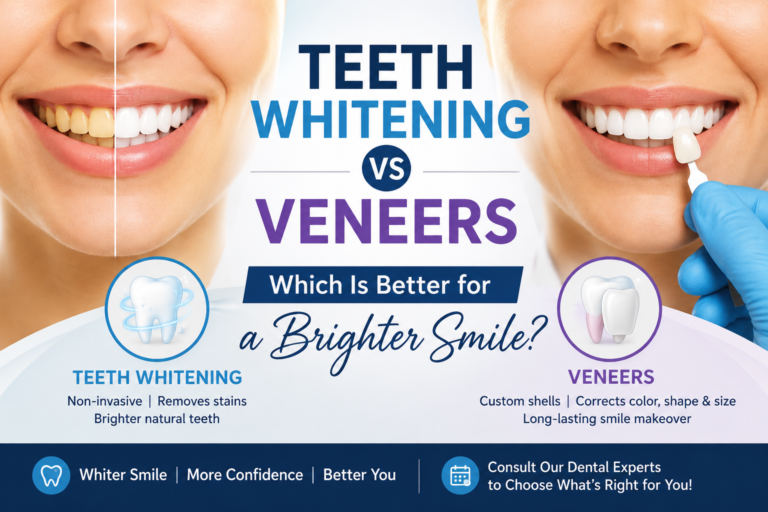
A bright, confident smile can make a noticeable difference in your appearance and self-confidence. If your teeth look yellow, stained, discolored, uneven, or have cosmetic imperfections, you may be considering teeth whitening or dental veneers.
But which treatment is actually better for a brighter smile?
The answer depends on why your teeth look discolored, the condition of your teeth, your cosmetic goals, and the type of result you want. Teeth whitening is primarily designed to lighten the color of natural teeth, while veneers can change the appearance of individual teeth by covering the visible front surface.
If you are looking for professional cosmetic dental treatment in Ludhiana, consulting an experienced dentist is the best way to determine which option is appropriate for your smile. Kapoor Dental Care Center provides comprehensive dental care and cosmetic dentistry solutions for patients looking to improve their oral health and smile.
For more information about dental treatments and services, visit Kapoor Dental Care Center.
What Is Teeth Whitening?
Teeth whitening is a cosmetic dental procedure designed to make natural teeth appear lighter by reducing or breaking down discoloration and stains.
Teeth can become darker or stained because of several factors, including:
- Coffee and tea consumption
- Tobacco use
- Certain foods and beverages
- Poor oral hygiene
- Age-related changes
- Certain types of intrinsic discoloration
- Previous dental or medical factors
Professional whitening may be performed in a dental clinic or through dentist-supervised at-home treatment. Whitening products commonly use peroxide-based ingredients such as hydrogen peroxide or carbamide peroxide.
However, whitening only changes the color of natural teeth. Tooth-colored restorations such as certain crowns, implants, and other restorations do not whiten in the same way as natural teeth.
What Are Dental Veneers?
Dental veneers are thin tooth-colored restorations designed to improve the appearance of the visible surface of teeth. Depending on the material and treatment plan, veneers can help address certain cosmetic concerns involving:
- Tooth discoloration
- Minor shape irregularities
- Uneven-looking teeth
- Certain gaps
- Cosmetic imperfections
- The overall appearance of the smile
Unlike whitening, veneers do not simply bleach the natural tooth. Instead, they can cover the visible front surface of the tooth to create a more uniform cosmetic appearance.
The appropriate veneer material and design depend on the patient’s dental condition, aesthetic requirements, and treatment plan. Modern tooth-colored restorative materials can provide highly aesthetic results, although each material has its own advantages and limitations.
Teeth Whitening vs Veneers: What Is the Difference?
The biggest difference is simple:
Teeth whitening changes the color of natural teeth, while veneers can change the visible appearance of the tooth itself.
Teeth Whitening
Whitening may be suitable if:
- Your teeth are generally healthy.
- Your main concern is yellowing or staining.
- You want a brighter smile without changing the shape of your teeth.
- You prefer a less invasive cosmetic approach.
- Your existing natural teeth can respond appropriately to whitening.
Dental Veneers
Veneers may be considered if:
- You have cosmetic concerns that whitening alone cannot correct.
- Certain discolorations are resistant to conventional whitening.
- You want to improve the appearance of tooth shape as well as color.
- You want a more comprehensive cosmetic smile transformation.
- Your dentist determines that veneers are appropriate for your teeth.
A dental examination is important before choosing either treatment because the cause of discoloration and the condition of your teeth can significantly affect the recommended approach.
Which Is Better for Yellow Teeth: Whitening or Veneers?
For straightforward yellowing or common surface staining, professional teeth whitening may be the more appropriate first option.
Whitening can address many types of discoloration, particularly when the teeth are otherwise healthy. However, not every type of discoloration responds equally well to bleaching. Some intrinsic discoloration can be more difficult to correct through external whitening alone.
If the discoloration is severe, localized, or associated with other cosmetic concerns, a dentist may discuss alternative treatments such as veneers.
Therefore, the “best” treatment depends on the cause of the discoloration rather than simply choosing the treatment that produces the whitest-looking teeth.
Which Gives a More Uniform Smile?
If your main goal is simply to make your natural teeth lighter, whitening can provide a brighter appearance.
However, if you want to address color together with tooth shape, minor cosmetic irregularities, or certain visible imperfections, veneers may offer a more comprehensive cosmetic solution.
This is particularly relevant for patients who want a carefully planned smile makeover rather than simply lighter teeth.
Is Teeth Whitening Safer Than Veneers?
Both treatments can be appropriate when properly planned and performed by a qualified dental professional, but they work very differently.
Teeth whitening is generally considered a conservative cosmetic treatment because it focuses on changing tooth color rather than covering the tooth with a restoration. Temporary tooth sensitivity and gum irritation are among the common side effects associated with whitening.
Veneers involve restorative dental treatment and therefore require careful evaluation of the tooth structure, bite, gums, and cosmetic expectations.
The right choice should be made after an examination rather than solely based on advertisements or social media trends. The American Dental Association also advises patients to seek professional dental guidance for cosmetic treatments rather than relying on unsupervised dental services.
Can You Get Teeth Whitening Before Veneers?
In some cases, whitening may be considered before cosmetic restorations.
This is important because natural teeth can respond to whitening, while existing tooth-colored restorations generally do not change color through conventional whitening.
If veneers are being planned, your dentist may therefore recommend discussing the desired final shade before the restorations are fabricated.
The sequence of treatment should always be decided by your dentist based on your individual smile and treatment goals.
Teeth Whitening or Veneers: Which Lasts Longer?
The longevity of cosmetic dental treatment depends on several factors, including:
- Oral hygiene
- Diet and lifestyle
- Tobacco use
- Teeth grinding or clenching
- Dental care routine
- Material used
- Quality of treatment
- Regular dental checkups
Whitening is not a permanent change in tooth color. Teeth can gradually become stained again depending on diet, lifestyle, age, and oral hygiene.
Veneers can provide longer-term cosmetic improvement, but they are still dental restorations and may eventually require maintenance, repair, or replacement.
Therefore, neither option should be viewed as a one-time solution that eliminates the need for regular dental care.
What About Tooth Sensitivity After Whitening?
Temporary sensitivity is one of the more common effects associated with teeth whitening. The likelihood and intensity can vary depending on the whitening method and concentration of the active ingredient.
If you already experience sensitive teeth, tell your dentist before starting a whitening treatment. Your dentist can evaluate the cause of sensitivity and determine whether whitening is suitable for you.
Avoid increasing the frequency or strength of whitening products on your own simply to achieve faster results.
Can Veneers Whiten Yellow Teeth?
Veneers can be designed to create a lighter and more uniform visible tooth appearance, but they are not the same as whitening.
Instead of changing the natural tooth color through bleaching, veneers cover the visible surface of the tooth with a tooth-colored restorative material.
This can make veneers an option when discoloration is difficult to correct through conventional whitening or when the patient also wants to address other cosmetic concerns.
However, veneers are not automatically the best choice for every discolored tooth. A professional evaluation is essential.
Which Is More Suitable for a Natural-Looking Smile?
A natural-looking result depends less on choosing “whitening vs veneers” and more on proper treatment planning.
For patients with healthy teeth and uncomplicated staining, professional whitening may be enough to achieve a brighter smile while maintaining the natural appearance of the teeth.
For patients with multiple cosmetic concerns, veneers may provide greater control over the appearance of tooth shape, size, shade, and overall smile design.
The goal should always be a healthy, balanced, and natural-looking smile rather than simply choosing the whitest possible shade.
Why Choose Kapoor Dental Care Center in Ludhiana?
Choosing the right dental clinic is an important part of any cosmetic dental treatment. Kapoor Dental Care Center in Ludhiana offers a range of dental services focused on oral health, patient comfort, and modern dental care.
The center provides treatments including cosmetic dentistry and teeth whitening along with other dental services such as root canal treatment, dental implants, pediatric dentistry, orthodontics, gum disease treatment, and emergency dental care.
If you are unsure whether teeth whitening or veneers would be better for your smile, a dental consultation can help identify the cause of discoloration and determine which treatment best matches your expectations.
You can learn more about the clinic and its dental services at Kapoor Dental Care Center.
Frequently Asked Questions About Teeth Whitening vs Veneers
1. Is teeth whitening better than veneers?
Neither treatment is universally better. Whitening may be better for healthy natural teeth with staining or yellowing, while veneers may be considered when discoloration is difficult to correct or when additional cosmetic changes are desired.
2. Are veneers better than whitening for yellow teeth?
Not necessarily. If yellowing is mainly caused by stains that respond to bleaching, professional teeth whitening may be sufficient. Veneers may be considered when discoloration is more complex or when other cosmetic concerns are present.
3. How long does professional teeth whitening take?
The treatment time depends on the whitening system and the patient’s individual needs. In-office treatments can be completed relatively quickly, while dentist-supervised at-home treatments may take longer.
4. Does teeth whitening damage teeth?
When appropriately selected and used according to professional guidance, whitening can be a safe cosmetic treatment. Temporary sensitivity and gum irritation are possible side effects. It is best to consult a dentist before treatment, particularly if you have existing dental problems or sensitivity.
5. Can veneers fix permanently yellow teeth?
Veneers can mask certain types of discoloration by covering the visible tooth surface, but whether they are appropriate depends on the condition of the tooth and the patient’s overall dental health.
6. Can I whiten teeth that have veneers?
Conventional teeth whitening does not whiten veneers in the same way it whitens natural teeth. Existing restorations should therefore be discussed with your dentist before whitening.
7. Which is more affordable, teeth whitening or veneers?
The cost varies depending on the treatment method, number of teeth treated, materials used, and individual dental requirements. Generally, whitening and veneers are different types of cosmetic treatment and should not be compared on price alone.
8. Should I get whitening or veneers first?
That depends on your teeth and your cosmetic treatment plan. If veneers are being considered, your dentist may want to establish the desired shade before the veneers are made.
9. Is professional teeth whitening better than DIY whitening?
Professional or dentist-supervised whitening allows your dental condition and treatment needs to be evaluated first. Unsupervised cosmetic dental treatments can carry risks, so professional guidance is recommended.
10. Where can I get teeth whitening in Ludhiana?
Patients looking for professional cosmetic dental care in Ludhiana can consult Kapoor Dental Care Center to discuss their teeth whitening requirements and determine whether whitening, veneers, or another treatment is appropriate.
Visit https://kapoordentalludhiana.in/ to learn more about Kapoor Dental Care Center and its dental services.
Final Thoughts
So, teeth whitening vs veneers—which is better for a brighter smile?
If your primary concern is staining or yellowing of otherwise healthy natural teeth, professional teeth whitening may be an effective and conservative option.
If you want to address discoloration along with tooth shape, size, or other cosmetic imperfections, veneers may be worth discussing with your dentist.
The best treatment is the one that matches your dental condition, cosmetic goals, expectations, and long-term oral health. Before choosing a cosmetic treatment, schedule a consultation with a qualified dental professional.
For patients in Ludhiana, Kapoor Dental Care Center can help you understand your cosmetic dental options and choose an appropriate treatment plan for a healthier, brighter, and more confident smile.
Explore dental care and cosmetic dentistry services at Kapoor Dental Care Center.