
7 Warning Signs You May Need a Root Canal Treatment
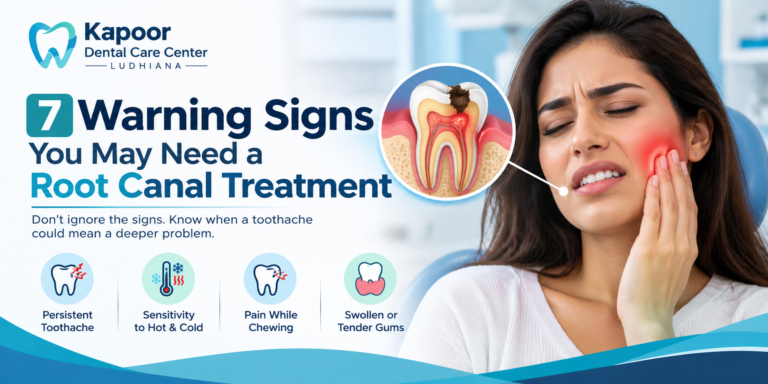
Tooth pain can be uncomfortable, especially when it starts affecting your sleep, eating habits, or daily routine. Sometimes, the discomfort goes away on its own, but in other cases, it may be a sign of a deeper dental problem that requires professional attention.
One such treatment is a root canal. It is commonly recommended when the soft tissue inside a tooth, known as the pulp, becomes inflamed or infected. Although many people feel nervous when they hear the words “root canal treatment,” modern dental techniques can make the procedure manageable and help preserve a natural tooth that might otherwise need to be removed.
The challenge is knowing when a toothache is something minor and when it could indicate a more serious problem.
In this guide, we will discuss seven warning signs that may indicate you need root canal treatment, what causes these symptoms, how the procedure works, and when you should visit a dentist.
If you are experiencing persistent tooth pain, consulting a qualified dentist can help you understand the cause and choose the appropriate treatment.
What Is Root Canal Treatment?
Root canal treatment is a dental procedure used to treat problems affecting the pulp inside a tooth. The pulp contains nerves and blood vessels and plays an important role while a tooth is developing.
When the pulp becomes irreversibly inflamed or infected because of deep decay, a crack, dental trauma, or another problem, root canal treatment may be recommended.
During the procedure, the dentist removes the affected pulp, cleans and disinfects the inside of the tooth, and seals the root canal system. The tooth is then restored to help protect it and restore its function.
In many cases, a dental crown may be recommended after treatment, particularly when the tooth has lost a significant amount of its natural structure.
The main goal is to relieve the problem, control infection when present, and preserve the natural tooth whenever possible.
If you want to learn more about available dental services, visit Kapoor Dental Care Center to explore the clinic’s website and appointment information.
7 Warning Signs You May Need a Root Canal Treatment
Not every toothache requires a root canal. However, certain symptoms can indicate that the pulp inside a tooth may be damaged or infected.
Here are seven warning signs worth paying attention to.
1. Persistent or Severe Toothache
A toothache that continues for hours, returns repeatedly, or becomes increasingly painful should not be ignored.
Pain originating from an inflamed dental pulp can sometimes feel deep, throbbing, or difficult to locate. It may become more noticeable when you lie down, chew food, or try to sleep.
You might experience discomfort that comes and goes, or pain that seems to spread towards the jaw or nearby teeth.
Possible causes include deep tooth decay, pulp inflammation, a cracked tooth, or other dental problems. A root canal may be necessary if the pulp is irreversibly damaged, but an examination is required to determine the cause.
What should you do?
Arrange a dental appointment if the pain persists or repeatedly returns. Avoid chewing on the affected side if it worsens the discomfort, and do not place aspirin directly on the tooth or gums.
Severe pain should be assessed promptly, particularly if it is accompanied by swelling or fever.
2. Prolonged Sensitivity to Hot and Cold Foods
Feeling a brief sensation when drinking something cold or eating hot food does not automatically mean you need a root canal.
However, if the sensitivity continues for several seconds or longer after the hot or cold stimulus has been removed, it may indicate inflammation inside the tooth.
For example, you may notice sharp discomfort after drinking cold water or lingering pain after having hot tea or coffee.
Possible causes include:
- Deep tooth decay.
- A damaged or cracked tooth.
- A worn or defective dental restoration.
- Inflammation of the dental pulp.
The severity and duration of the sensitivity help the dentist assess the situation, but symptoms alone cannot confirm whether root canal treatment is required.
If you frequently experience prolonged tooth sensitivity, arrange an examination instead of relying only on desensitising toothpaste or home remedies.
3. Pain While Chewing or Biting
Pain when biting down on food can be another warning sign of a dental problem.
You might notice discomfort when eating hard foods, chewing on one side, or putting pressure on a particular tooth.
This pain may be associated with inflammation around the root of the tooth, advanced tooth decay, a crack, or problems involving an existing filling or crown.
If the pulp becomes infected or irreversibly inflamed, root canal treatment may be recommended. However, a cracked tooth or another dental condition may require a different approach.
Until you receive professional advice, avoid putting unnecessary pressure on the painful tooth.
A dentist can examine the tooth, assess your bite, and recommend appropriate tests to identify the cause.
4. Swollen or Tender Gums Near a Tooth
Swelling in the gum around a particular tooth can sometimes indicate an infection.
You may notice tenderness, redness, a small raised area on the gum, or a pimple-like bump that appears and disappears. In some cases, fluid or pus may drain from the affected area, leaving an unpleasant taste in the mouth.
These symptoms can occur when infection develops around the root of a tooth.
A dentist may recommend root canal treatment if the infection originates inside the tooth and the tooth can be saved. Other treatments may be necessary depending on the diagnosis.
Important: Do not squeeze or attempt to drain a swollen gum area yourself. A dental abscess requires professional assessment and treatment.
If you have facial swelling, fever, or rapidly worsening symptoms, seek urgent dental care. Difficulty breathing or swallowing requires emergency medical attention.
5. Tooth Discolouration or Darkening
Have you noticed that one tooth looks darker, greyish, or different from the surrounding teeth?
Discolouration can sometimes occur when the pulp inside a tooth has been damaged, particularly following dental trauma. Changes in the internal tissues may cause a tooth to develop a grey, brown, or darker appearance.
However, tooth discolouration can also result from staining, certain medications, or other conditions.
A darkened tooth does not automatically require root canal treatment. The dentist needs to determine whether the pulp is healthy, inflamed, or no longer vital.
If a tooth changes colour after an accident or develops discolouration alongside pain or swelling, arrange a dental examination.
Early assessment can help determine whether the tooth needs root canal treatment, another procedure, or monitoring.
6. A Small Pimple or Bump on the Gums
A small bump on the gums near a tooth may sometimes be a draining sinus tract associated with a dental infection.
It can look like a tiny pimple and may release fluid occasionally. Interestingly, the affected tooth may not always be very painful because the drainage can reduce pressure.
This does not mean the infection has disappeared.
A dental infection may continue to affect the tissues around the tooth root even when the discomfort is mild. If the pulp is infected and the tooth is suitable for preservation, root canal treatment may be one part of the treatment plan.
Do not ignore a recurring gum bump or attempt to treat it using home remedies alone.
A dentist can assess the tooth and surrounding tissues, identify the source of the problem, and recommend appropriate treatment.
7. Persistent Bad Taste or Pus Around the Tooth
An ongoing unpleasant taste in your mouth, particularly when accompanied by swollen gums or fluid around a specific tooth, may indicate a dental infection.
Some people notice a foul taste when an abscess drains. Others experience bad breath or tenderness near the affected tooth.
These symptoms can occur with an infected tooth, but they may also have other causes. A dental examination is necessary to establish the diagnosis.
If an infection has reached the pulp and surrounding tissues, treatment may involve root canal treatment, drainage where indicated, and restoration of the tooth.
Antibiotics are not a substitute for definitive dental treatment when treatment of the source of infection is required. A dentist will decide whether medication is appropriate based on the clinical situation.
Do not delay care simply because the pain temporarily improves.
What Causes a Tooth to Need Root Canal Treatment?
Several dental problems can damage the pulp and lead to a recommendation for root canal treatment.
Deep Tooth Decay
When tooth decay progresses through the outer layers of a tooth and reaches the pulp, it can cause inflammation or infection.
Treating cavities early may help prevent the problem from reaching this stage.
Cracked or Broken Teeth
A crack can allow bacteria to reach the pulp, particularly when the damage extends into deeper parts of the tooth.
Some cracks are difficult to see without a dental examination.
Dental Trauma
A blow to the mouth, sports injury, or accident can damage the pulp even when the tooth does not break visibly. Symptoms may develop immediately or appear later.
Repeated Dental Procedures
A tooth that has undergone multiple procedures may sometimes develop pulp inflammation or other complications.
The need for root canal treatment depends on the condition of the pulp and the overall health of the tooth.
How Is Root Canal Treatment Performed?
Many patients feel anxious because they do not know what to expect. Understanding the basic process can make the experience less intimidating.
Although the exact procedure varies depending on the tooth and the complexity of the case, root canal treatment generally involves the following steps.
Step 1: Examination and diagnosis
The dentist reviews your symptoms, examines the tooth, and may recommend dental X-rays or other tests to assess the pulp and surrounding tissues.
Step 2: Local anaesthesia
Local anaesthesia is generally used to numb the tooth and surrounding area during treatment.
Step 3: Removing the affected pulp
The dentist creates access to the inside of the tooth and removes the damaged or infected pulp tissue.
Step 4: Cleaning and disinfecting
The root canal system is carefully cleaned, shaped, and disinfected to reduce the remaining bacteria and prepare the tooth for sealing.
Step 5: Sealing the root canals
The cleaned canals are filled with a suitable material and sealed to help prevent reinfection.
Step 6: Restoring the tooth
The tooth receives a suitable filling or other restoration. A crown may be recommended when additional protection is needed.
Some cases can be completed in one visit, while others require multiple appointments. The number of visits depends on the tooth, the infection, and the complexity of treatment.
Is Root Canal Treatment Painful?
One of the biggest concerns patients have is whether root canal treatment will hurt.
With appropriate local anaesthesia, the procedure is generally performed with the aim of keeping the patient comfortable. You may feel pressure during certain steps, but significant pain should be communicated to the dentist immediately so it can be addressed.
It is also important to understand that the pain leading to treatment may be caused by inflammation or infection. Treating the underlying problem can help relieve that pain.
Some tenderness or sensitivity may occur after the procedure, particularly when biting. This often improves as healing progresses, but persistent or worsening pain should be discussed with your dentist.
If you feel anxious about dental treatment, let the dental team know before the procedure. They can explain the steps and discuss ways to make the appointment more manageable.
What Happens If You Delay Root Canal Treatment?
Delaying treatment when the pulp is irreversibly inflamed or infected can allow the problem to progress.
Potential complications include:
- Increasing or recurring tooth pain.
- Development or worsening of an infection around the root.
- Formation of a dental abscess.
- Swelling of the gums or face.
- Greater damage to the tooth structure.
- An increased risk of losing the tooth.
The exact outcome depends on the condition of the tooth and the underlying cause. Not every painful tooth will develop an abscess, but persistent symptoms deserve timely assessment.
If the tooth cannot be restored or saved, extraction may be necessary. When a tooth can be preserved, root canal treatment may help retain it and maintain normal chewing function.
Seeking professional care early can give you a clearer understanding of the available options.
Root Canal Treatment vs Tooth Extraction: Which Is Better?
The best choice depends on the condition of the tooth, the extent of the damage, and whether the tooth can be restored successfully.
Root canal treatment aims to preserve the natural tooth by removing the affected pulp and sealing the inside of the tooth.
Extraction removes the tooth completely. If a tooth is extracted, replacement options may include a dental implant, bridge, or denture, depending on the patient’s needs.
Root Canal Treatment | Tooth Extraction |
Aims to preserve the natural tooth | Removes the affected tooth |
Usually requires a final restoration | May require replacement planning |
Suitable when the tooth can be saved | May be recommended when the tooth cannot be restored |
Helps retain the natural tooth’s position | May affect neighbouring teeth and chewing if the gap is not addressed |
Neither option is automatically right for every patient. Your dentist can explain the expected benefits, risks, costs, and long-term considerations before you decide.
How Can You Reduce the Risk of Needing a Root Canal?
Although not every dental problem can be prevented, good oral hygiene and regular dental care can reduce the risk of advanced tooth decay and other problems that may damage the pulp.
Here are some practical habits to follow:
- Brush twice daily with fluoride toothpaste.
- Clean between your teeth every day.
- Limit frequent consumption of sugary foods and drinks.
- Attend dental check-ups at intervals recommended for your oral health.
- Seek treatment for cavities before they become more extensive.
- Wear an appropriate mouthguard during contact sports.
- Do not ignore persistent tooth pain or prolonged sensitivity.
Prevention is particularly important for children, people with a history of cavities, and anyone who has difficulty maintaining oral hygiene.
Regular examinations can help detect problems before they require more extensive treatment.
When Should You Visit a Dentist?
You should arrange a dental appointment if you experience persistent toothache, prolonged sensitivity, pain while chewing, unexplained tooth discolouration, or recurring swelling near a tooth.
If you notice pus, facial swelling, fever associated with dental symptoms, or rapidly worsening pain, seek urgent professional care.
Difficulty breathing or swallowing, especially with facial or neck swelling, is an emergency.
A dentist may perform an examination, take X-rays when indicated, and assess the response of the tooth’s pulp to appropriate tests. These findings help determine whether root canal treatment is necessary.
If you are searching for root canal treatment in Ludhiana, you can explore the official website of Kapoor Dental Care Center and enquire about available dental services and appointments.
Why Consider Kapoor Dental Care Center in Ludhiana?
When dealing with tooth pain or symptoms that may indicate pulp damage, choosing a dental clinic where you can discuss your concerns and understand your treatment options is important.
Kapoor Dental Care Center is a local dental clinic in Ludhiana. If you are experiencing toothache, sensitivity, or other dental symptoms, you can visit its website to learn more about the clinic and enquire about an appropriate consultation.
Before proceeding with treatment, discuss the diagnosis, available alternatives, estimated cost, number of appointments, and any restoration that may be needed afterwards.
For more information, visit Kapoor Dental Care Center’s official website.
A proper dental examination is the best way to understand whether root canal treatment is suitable for your particular tooth.
Frequently Asked Questions About Root Canal Treatment
1. What are the first signs that you may need a root canal?
Possible warning signs include persistent toothache, prolonged sensitivity to hot or cold, pain while biting, swelling near a tooth, and unexplained tooth discolouration. These symptoms do not confirm the need for a root canal, so a dentist must assess the tooth.
2. Can a tooth need a root canal without causing pain?
Yes. Some teeth with pulp damage or infection may cause little or no pain, particularly when the pulp has lost its vitality or an infection is draining. A dental examination may reveal a problem even when symptoms are limited.
3. How long does root canal treatment take?
The duration depends on the tooth, the complexity of its root canal system, and the extent of the infection. Some treatments can be completed in one appointment, while others require multiple visits and a separate restoration.
4. Is root canal treatment better than removing the tooth?
When a tooth can be restored successfully, root canal treatment may help preserve the natural tooth. Extraction may be necessary if the tooth is too damaged to save. Your dentist can explain which option is appropriate after examining the tooth.
5. Does a tooth always need a crown after root canal treatment?
Not every tooth requires a crown, but one may be recommended when significant tooth structure has been lost or when additional protection is needed. The decision depends on the tooth’s location, remaining structure, and biting forces.
6. Can antibiotics cure a tooth infection without a root canal?
Antibiotics alone generally do not eliminate the source of an infection inside a tooth. Depending on the diagnosis, definitive treatment may involve root canal treatment, drainage, or extraction. Antibiotics are prescribed when clinically indicated.
7. How can I prevent needing a root canal?
Brush twice daily with fluoride toothpaste, clean between your teeth, limit frequent sugary snacks, and attend dental check-ups as recommended. Early treatment of cavities can reduce the risk of damage reaching the pulp.
8. Where can I enquire about root canal treatment in Ludhiana?
You can visit Kapoor Dental Care Center’s website to review the clinic’s information and enquire about available services and appointments.
Final Thoughts
Persistent tooth pain, lingering sensitivity, swelling, and other unusual dental symptoms should never be ignored. Although these warning signs do not always mean you need root canal treatment, they may indicate a problem that requires professional attention.
Root canal treatment can help preserve a natural tooth when the pulp is irreversibly damaged or infected and the tooth remains suitable for restoration. Early assessment may help prevent the problem from progressing and give you a better understanding of your treatment options.
If you are experiencing any of the warning signs discussed in this article, consider arranging a dental examination rather than relying on temporary remedies.
For further information about dental services, visit Kapoor Dental Care Center in Ludhiana and enquire about an appointment.